Archives
- 2026-10
- 2026-09
- 2026-08
- 2026-07
- 2026-06
- 2026-05
- 2026-04
- 2026-03
- 2026-02
- 2026-01
- 2025-12
- 2025-11
- 2025-10
- 2025-09
- 2025-03
- 2025-02
- 2025-01
- 2024-12
- 2024-11
- 2024-10
- 2024-09
- 2024-08
- 2024-07
- 2024-06
- 2024-05
- 2024-04
- 2024-03
- 2024-02
- 2024-01
- 2023-12
- 2023-11
- 2023-10
- 2023-09
- 2023-08
- 2023-07
- 2023-06
- 2023-05
- 2023-04
- 2023-03
- 2023-02
- 2023-01
- 2022-12
- 2022-11
- 2022-10
- 2022-09
- 2022-08
- 2022-07
- 2022-06
- 2022-05
- 2022-04
- 2022-03
- 2022-02
- 2022-01
-
br Conclusion br Conflict of Interest JJH has collaborated
2022-02-15
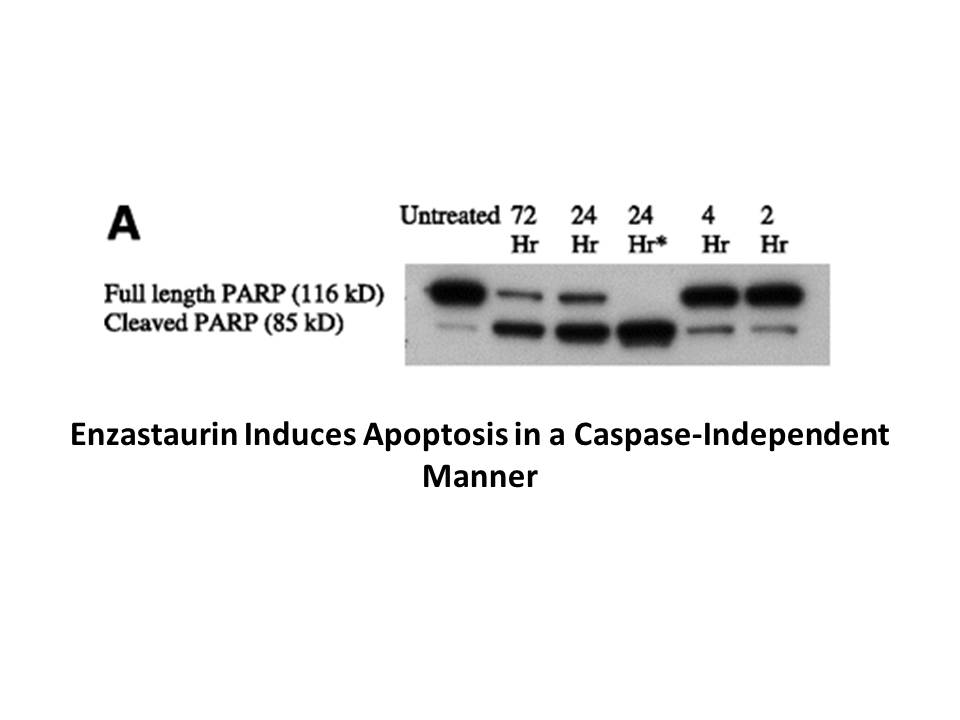
Conclusion Conflict-of-Interest JJH has collaborated with several different pharmaceutical companies during the last 30 years; is currently receiving speaker honoraria from NovoNordisk and MSD and is on advisory boards for NovoNordisk. The author is currently supported by an independent grant
-
The observed CORT induced increase in Cx phosphorylation at
2022-02-15
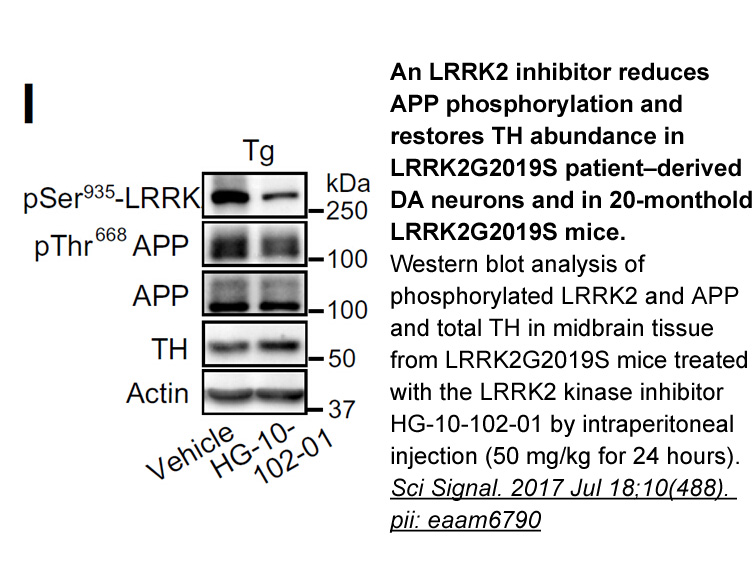
The observed CORT-induced increase in Cx43 phosphorylation at S368 may also contribute to GJIC disruption. Gap junction channel permeability is modulated through connexin phosphorylation (Moreno and Lau, 2007). Specifically, the phosphorylation of Cx43 on S368 has been previously shown to decrease i
-
Next we conducted subgroup analyses with
2022-02-15

Next, we conducted subgroup analyses with stratification along interaction variables, namely the PPARG SNP and fasting NEFA. The study population was thus stratified into high and low NEFA (along the median NEFA, 561 μmol/L), and PPARG minor allele (Ala) carriers. This stratification resulted in 4 s
-
The membrane metalloendopeptidase MME gene is located at
2022-02-15
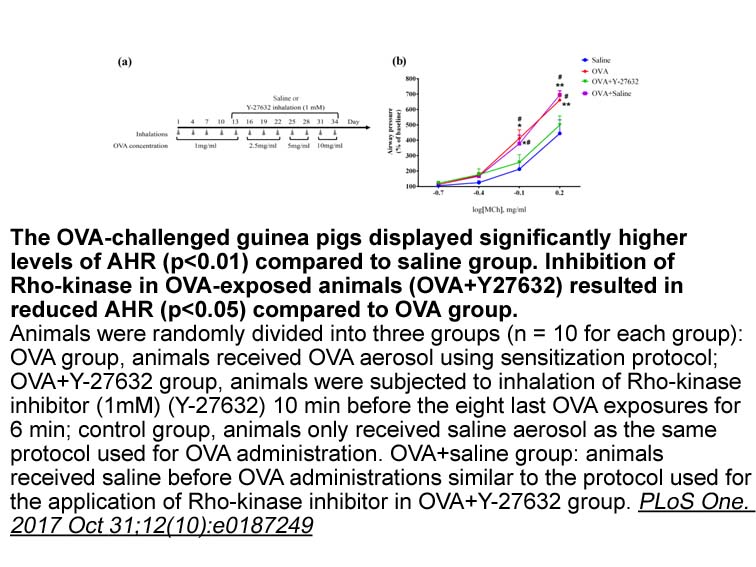
The membrane metalloendopeptidase (MME) gene is located at human chromosome 3q21-27. It encodes a 100-kD type II transmembrane glycoprotein, a widely expressed membrane metalloendopeptidase that degrades a number of substrates. The active site of the enzyme faces the extracellular space. MME is wide
-
GSK2606414 The components of the SAGA complex including Gcn
2022-02-15
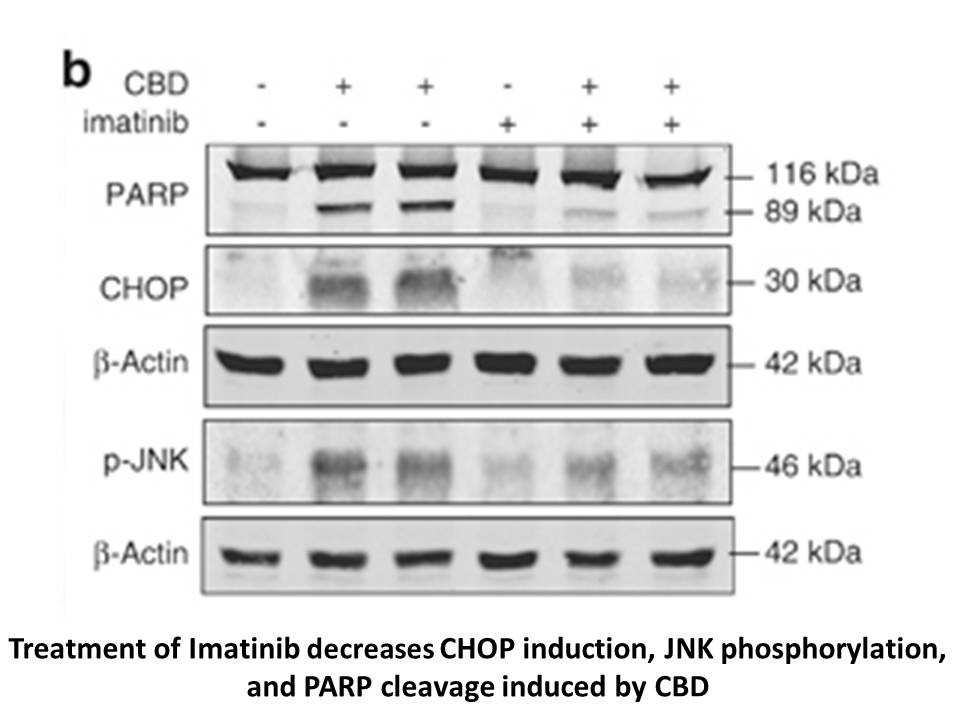
The components of the SAGA complex including Gcn5 have recently been found to be involved in regulating pathways that are required for development and virulence in different species under the environmental stresses, around 10% of S. cerevisiae genes are activated by the transcriptional coactivator S
-
Based on the in vitro findings summarized here we posited
2022-02-15
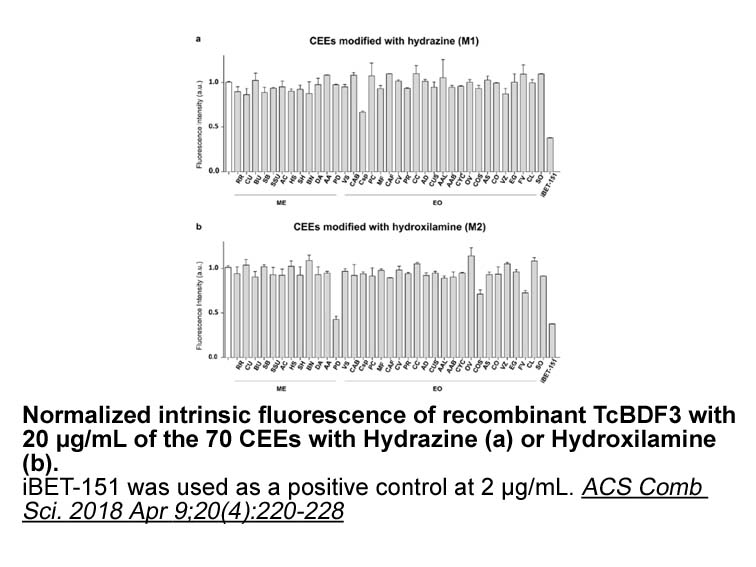
Based on the in vitro findings summarized here, we posited that, in the intact brain, release of ROS from iron-laden astrocytes to the local neuropil elicits oxidative damage and degeneration of indigent dopaminergic projections and other vulnerable neuronal elements (Schipper, 2001). Of particular
-
br STAR Methods br Acknowledgments Anthony
2022-02-15
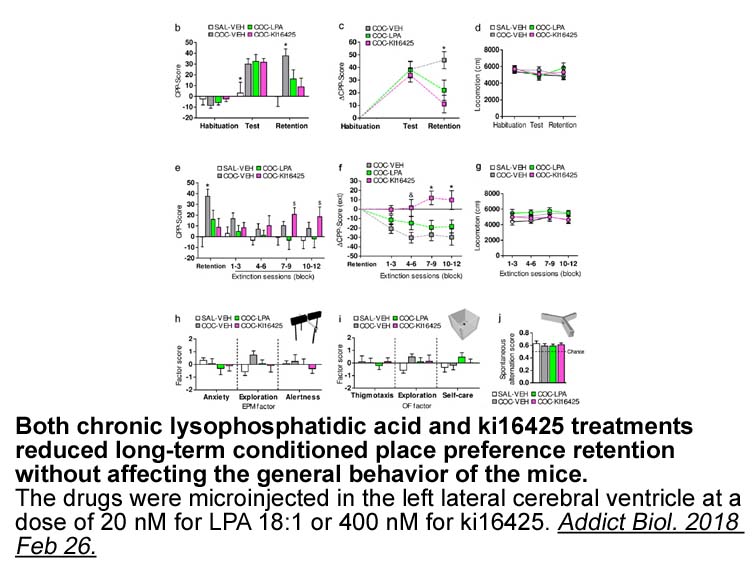
STAR★Methods Acknowledgments Anthony Koleske is thanked for helpful discussions and for providing p190RhoGAP-A cDNA. Anatoly Kiyatkin and Mark Lemmon are thanked for use of the BioTek Synergy 2 plate reader for the MANT assays. Leena Kuruvilla is thanked for assistance with the thermal shift a
-
Studies dealing with the effects
2022-02-14
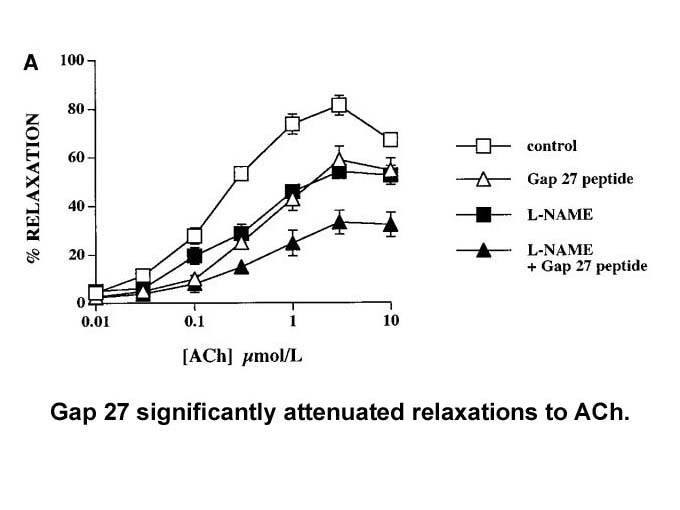
Studies dealing with the effects of ischemia on EAATs have been previously reported, but some discrepancies in literature appear between them probably as a consequence of the different models, species, time of reperfusion after ischemia and age of the animals. Thus, in human, estriol stroke-dependen
-
br NMDA receptor LBDs The study
2022-02-14
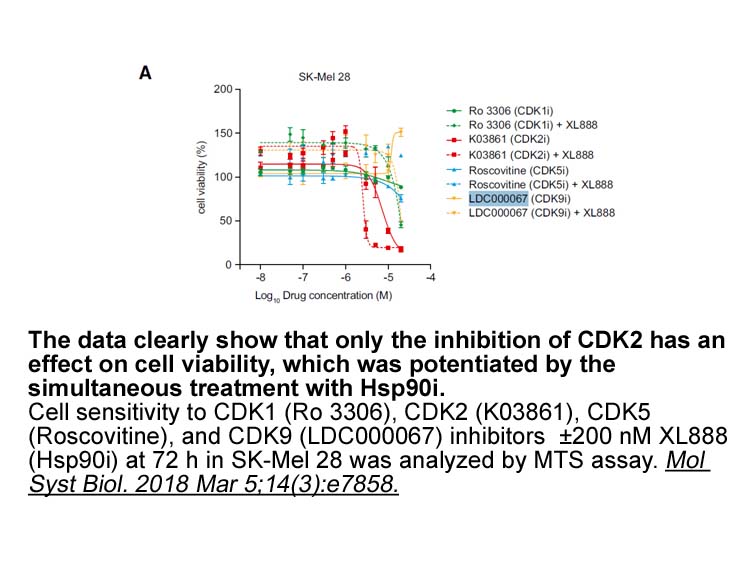
NMDA receptor LBDs The study of GluA2 was later expanded to include NMDA receptors [22]. NMDA receptors are obligate heterotetramers that are composed of two glutamate-binding subunits and two glycine-, or d-serine-, binding subunits. In this study, crystal structures of the NMDA receptor glycine
-
br Methods br Acknowledgements The authors thank the ZLS
2022-02-14
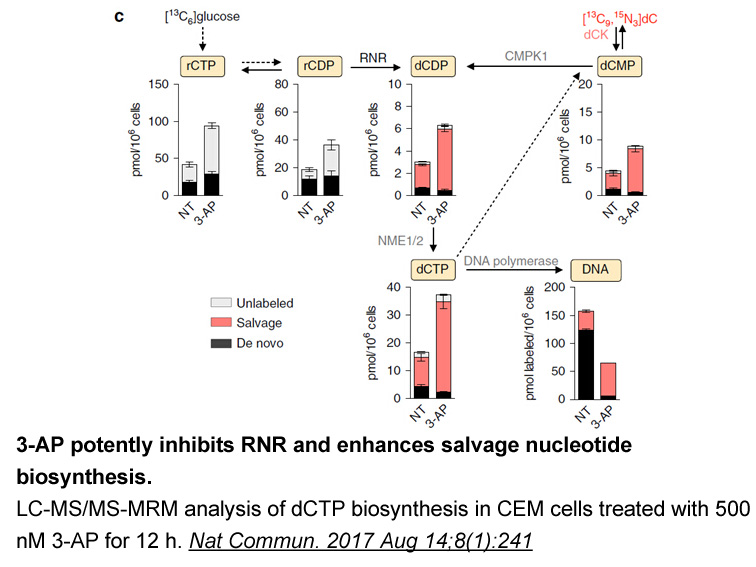
Methods Acknowledgements The authors thank the ZLS group members, particularly Li Li and Elijah Roberts, for many helpful discussions. They also wish to thank Nathan Baker for APBS assistance, Jan Jensen for help with PROPKA 2.0, Susan Martinis for experimental interpretations, and John Stone
-
In the GLUT family glucose transporter GLUT is primarily
2022-02-14
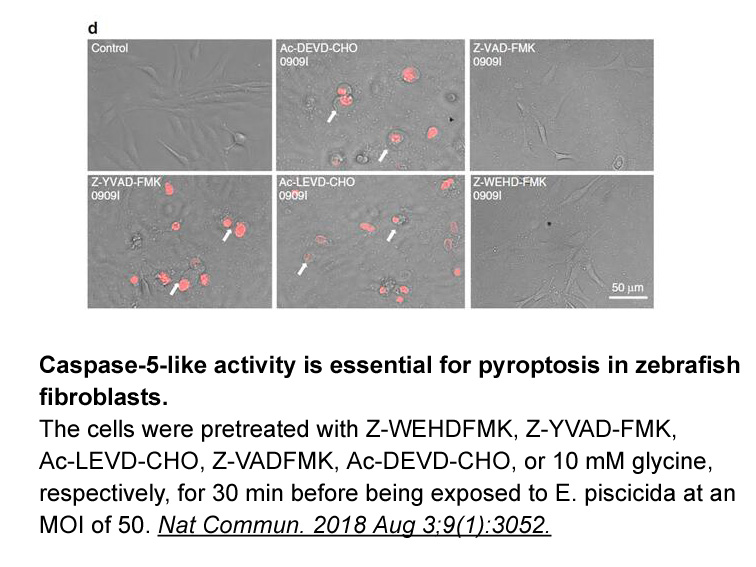
In the GLUT family, glucose transporter 1(GLUT1) is primarily responsible for basal glucose uptake and maintenance of glucose basal metabolism in cells (Olson and Pessin, 1996). High GLUT1 expression occurred in various types of human cancers, like brain tumor, lung cancer and esophageal cancer (Nis
-
br Results br Discussion ER and GR play opposite phenotypic
2022-02-14
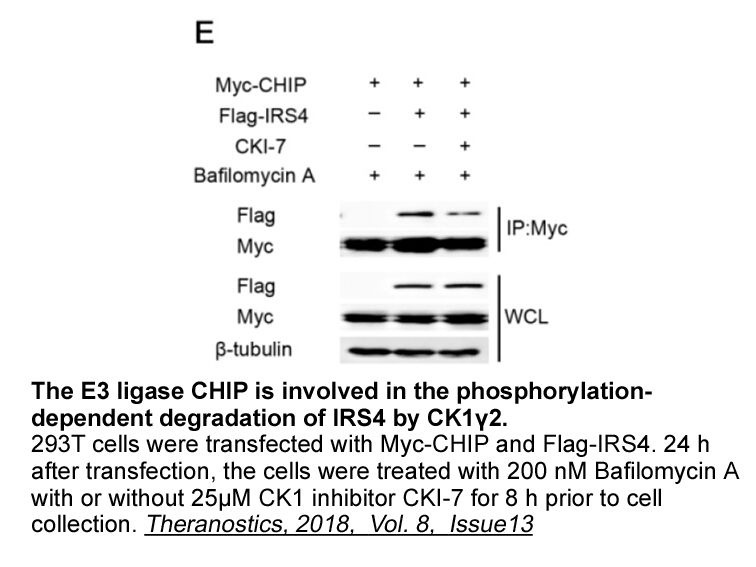
Results Discussion ER and GR play opposite phenotypic roles in the normal endometrium, with ER promoting growth and GR inhibiting growth. Here, we show that in endometrial cancer, GR expression is associated with worse outcomes and higher-grade tumors, and this association is observed only in
-
Decreases in LS mean h WMG versus
2022-02-14
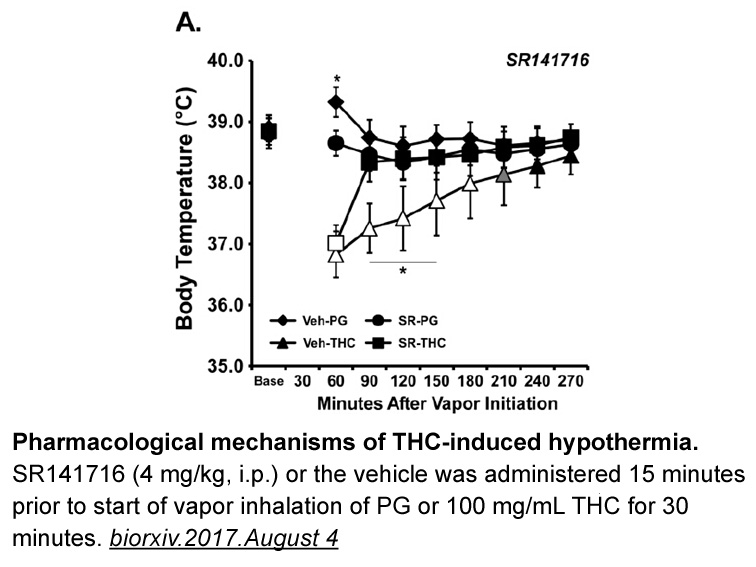
Decreases in LS mean 24-h WMG versus placebo were observed with both the 10mg q.d. a.m. (−18.8mg/dL) and 6mg q.d. p.m. (−25.0mg/dL) MK-3577 ‘partial blockade’ regimens, but was not assessed for the 25mg b.i.d regimen. Decreases in FPG versus placebo were observed for both the 10mg q.d. a.m. (−7.2mg/
-
Fourthly the distribution sites after i c
2022-02-14
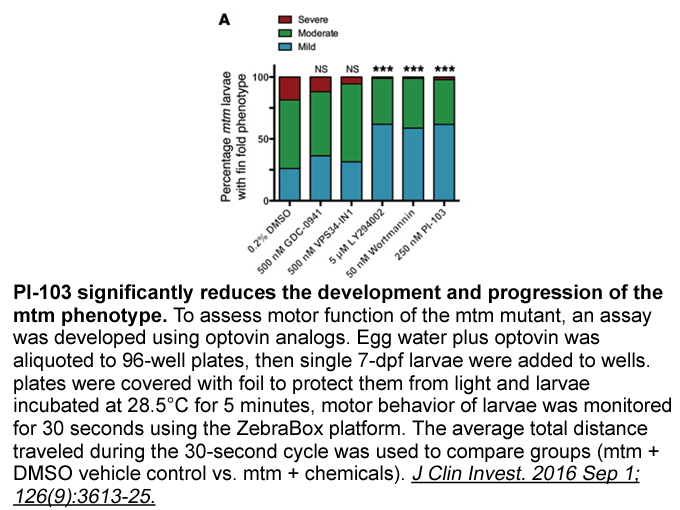
Fourthly, the distribution sites after i.c.v. injection of FAM-ghrelin(1–7)-NH2 were explored in mice using the technologies of fluorescence labeling. The green fluorescence of FAM-ghrelin(1–7)-NH2 was strongly distributed in these structures of lateral ventricle, lateral septal nucleus, dorsal part
-
br Activators Many compounds are known to influence
2022-02-14
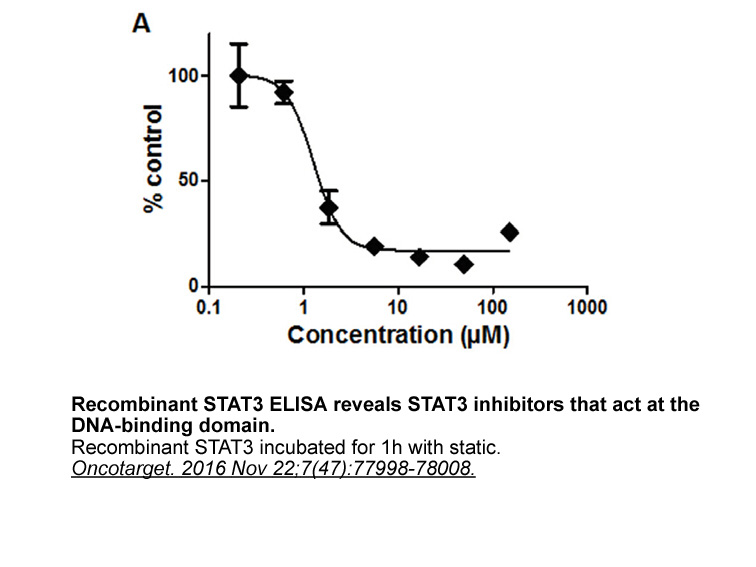
Activators Many compounds are known to influence the activity of Ca2+-activated K+ channels, and since hIK1 was cloned more insight has been gained on compounds that have the capacity to increase channel activity. Activation by divalent metal cations has been investigated, with Ca2+, Pb2+, Cd2+,
8701 records 555/581 page Previous Next First page 上5页 551552553554555 下5页 Last page